Domestic violence cases in India have seen a significant rise over the last decade—not only in genuine complaints but also in complex, disputed cases involving exaggerated or false allegations. For startups, SMEs, corporates, foreign nationals, and professionals, a domestic violence complaint can have far-reaching legal, reputational, and personal consequences.
In today’s digital era, digital evidence has become a powerful tool in domestic violence defence, helping courts distinguish between genuine abuse and misuse of legal provisions. This article explains the domestic violence procedure, the role of digital evidence, and why engaging an experienced criminal lawyer is critical—especially for matters handled in the High Court.
This guide is written for clients seeking professional legal consulting services in Jaipur, Rajasthan, and across India.
Understanding Domestic Violence Law in IndiaDomestic violence in India is primarily governed by the Protection of Women from Domestic Violence Act, 2005 (PWDVA). The Act aims to protect women from physical, emotional, sexual, verbal, and economic abuse within domestic relationships.
Who Can File a Domestic Violence Case?Wife or female partner
Live-in partner
Mother, sister, or female relative in a shared household
Husband
Male partner
In-laws or relatives (in certain circumstances)
While the law is welfare-oriented, courts have repeatedly acknowledged the misuse of domestic violence provisions, making strong legal defence essential.
Why Domestic Violence Defence MattersA domestic violence complaint can result in:
Protection or restraining orders
Residence orders affecting property rights
Monetary relief and maintenance
Criminal proceedings under IPC sections (498A, 406, etc.)
For business owners, startup founders, NRIs, and corporate executives, these cases can impact:
Travel (Look Out Circulars, passport issues)
Employment and board positions
Business reputation and investor confidence
A well-planned domestic violence defence in High Court or trial court can protect both legal and professional interests.
Role of Digital Evidence in Domestic Violence CasesDigital evidence has transformed how domestic violence cases are defended in India. Courts now actively consider electronic records under the Information Technology Act, 2000 and Indian Evidence Act, 1872.

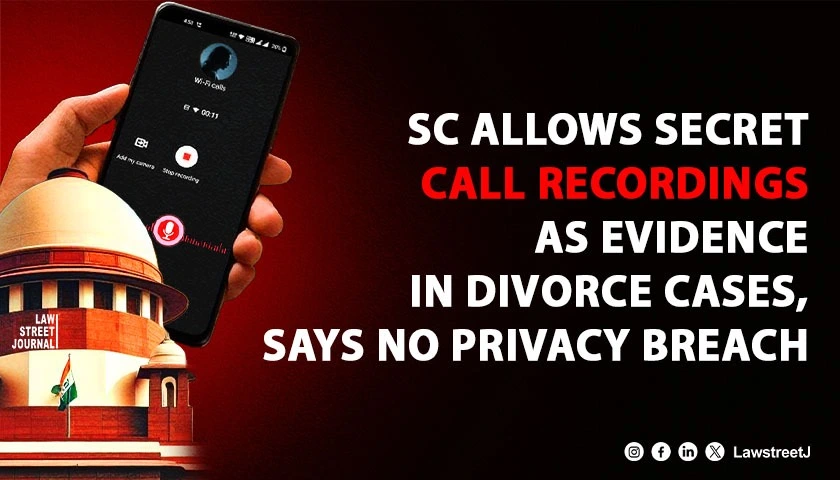

WhatsApp chats, SMS, emails
Call recordings and call logs
CCTV footage from residence or workplace
Social media posts and messages
GPS location data
Bank statements and digital transactions
When properly collected and authenticated, digital evidence can expose contradictions, prove consent, or establish false allegations.
Legal Validity of Digital Evidence in IndiaDigital evidence is admissible only when it complies with procedural requirements.
Section 65B CertificateUnder Section 65B of the Indian Evidence Act, electronic records must be supported by a certificate confirming:
Source of the data
Device used
Integrity and authenticity
Failure to submit a valid certificate is a common mistake that can weaken an otherwise strong defence.
Step-by-Step Domestic Violence Defence ProcedureStep 1: Complaint & NoticeA complaint is filed before the Magistrate or Protection Officer. The respondent receives notice.
Step 2: Immediate Legal StrategyEngage a criminal lawyer to:
Review allegations
Identify exaggerations or inconsistencies
Preserve digital evidence immediately
Extract chats, emails, recordings
Secure CCTV footage before deletion
Obtain call data records (CDRs) through court
A detailed reply supported by digital proof is filed to counter allegations.
Step 5: Interim Orders & Cross-ExaminationCourts may pass interim maintenance or protection orders. Strong evidence helps reduce or vacate such orders.
Step 6: Appeal / High Court DefenceIf required, matters can be challenged before the Rajasthan High Court under writ jurisdiction or criminal appeals.
Practical Examples of Digital Evidence in DefenceExample 1: False Allegation of Physical AbuseWhatsApp chats showing normal communication immediately after the alleged incident helped disprove claims.
Example 2: Economic Abuse ClaimsBank statements and UPI records showed regular financial support, countering allegations of neglect.
Example 3: Mental Cruelty AllegationsSocial media posts and travel photos contradicted claims of continuous harassment.
Common Mistakes in Domestic Violence DefenceDelayed response to legal notice
Deleting or tampering with digital data
Submitting screenshots without authentication
Ignoring jurisdiction and limitation issues
Not challenging interim orders timely
These mistakes can seriously affect outcomes, even in false cases.
Why Professional Legal Consulting Is CrucialA professional legal consulting firm provides:
Case strategy aligned with latest judgments
Technical handling of digital evidence
High Court representation when required
Confidential, business-sensitive legal advice
For NRIs and corporate professionals, structured defence planning is especially critical.
Domestic Violence Defence Services in Jaipur, RajasthanClients seeking domestic violence defence services in Jaipur, Rajasthan benefit from:
Local court expertise
Familiarity with Rajasthan judicial trends
Faster coordination with forensic and technical experts
Our legal consultants assist clients across Jaipur, Rajasthan, and pan-India, including foreign nationals facing litigation in India.
Frequently Asked Questions (FAQs)1. Is digital evidence valid in domestic violence cases in India?Yes, digital evidence is valid if supported by a proper Section 65B certificate.
2. Can WhatsApp chats be used in domestic violence defence?Yes, courts regularly accept WhatsApp chats when authenticity is established.
3. What is the role of a criminal lawyer in domestic violence cases?A criminal lawyer strategizes defence, handles evidence, cross-examines witnesses, and represents clients in trial and High Court.
4. Can false domestic violence cases be quashed?Yes, false or malicious cases can be quashed by the High Court based on evidence.
5. Are NRIs treated differently in domestic violence cases?NRIs face additional challenges like travel restrictions, making early legal intervention critical.
6. How long does a domestic violence case take?Duration varies, but strong evidence can significantly shorten proceedings.
Conclusion: Strategic Defence MattersDomestic violence cases require a balanced approach—respecting the intent of the law while protecting individuals from misuse. Digital evidence, when handled professionally, has become the cornerstone of effective defence.
For clients seeking reliable domestic violence defence services in Jaipur, Rajasthan, early consultation with experienced legal professionals can safeguard rights, reputation, and future.
If you or your organization is facing a domestic violence complaint or seeking strategic legal guidance, consult our expert legal team today.
Contact us now for confidential, professional legal consulting services in Jaipur, Rajasthan, and across India.